Transforming Ordinary Objects into Memorable Hero Characters for Kids
Creating heroes that children love does not require grand adventures or magical powers. Sometimes, the most memorable characters come from the simplest ideas—everyday objects or small, relatable concepts. This guide explores how to turn these ordinary things into heroes like Tiny, a character kids can easily connect with and cheer for.
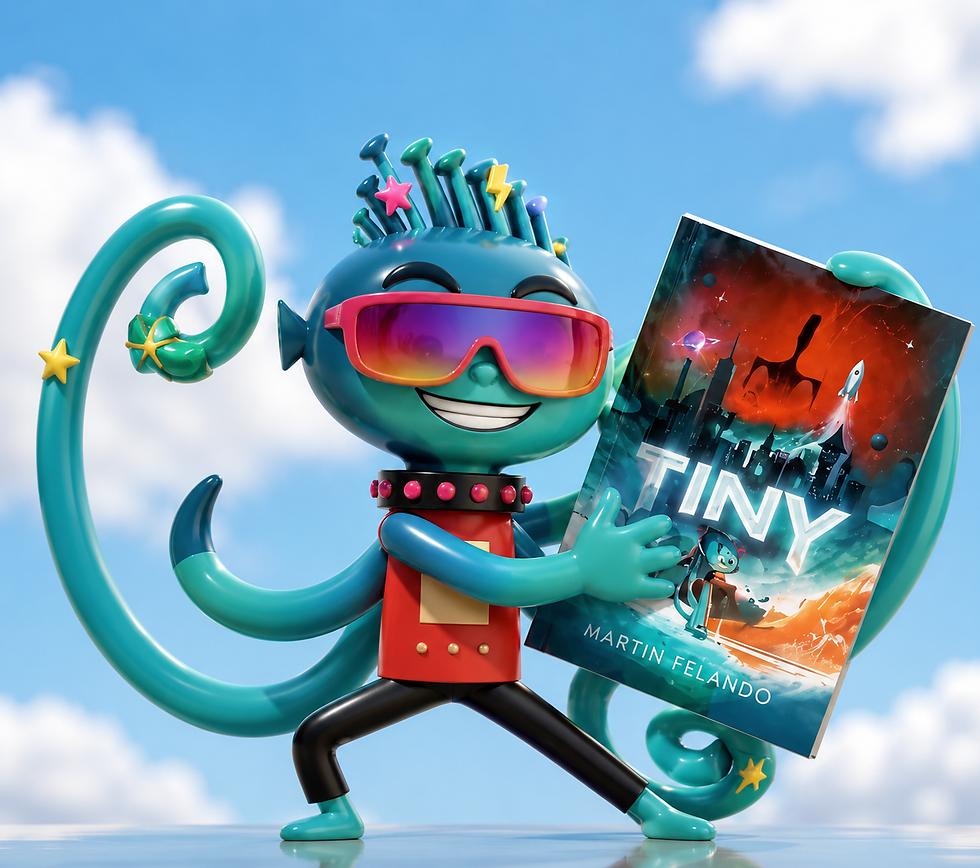
Start with a Simple Idea
The first step is to pick an object or idea that children encounter daily. It could be a toy, a household item, or even a small animal. The key is to choose something familiar so kids feel an instant connection. For example, Tiny might be a small toy figure, but it represents courage and kindness despite its size.
Give Your Hero a Relatable Personality
Once you have your object, imagine its personality traits. What makes it special? What challenges does it face? Kids relate best to characters with clear feelings and goals. Tiny might be brave but sometimes unsure, teaching children that it’s okay to feel small but still be strong.
Use simple emotions like joy, fear, curiosity, or determination.
Show how your hero overcomes everyday problems.
Include moments of humor or surprise to keep kids engaged.
Build a World Around Your Hero
Even the smallest hero needs a world to explore. Create a setting that feels real but also sparks imagination. It could be a child’s bedroom, a garden, or a playground. This world should support the hero’s journey and offer opportunities for growth.
For example, Tiny’s adventures might take place on a cluttered desk where ordinary items become mountains and rivers. This approach encourages kids to see their own surroundings as places full of stories.
Use Simple Language and Clear Actions
When writing stories about your hero, keep the language straightforward. Use short sentences and vivid verbs to paint clear pictures. Children enjoy stories they can follow easily and imagine vividly.
Describe what Tiny does, sees, and feels.
Avoid complicated words or long explanations.
Use repetition for important ideas to help memory.
Encourage Interaction and Creativity
Invite children to imagine their own heroes from objects around them. This not only makes the story more engaging but also sparks creativity. You might suggest:
Drawing their hero.
Naming objects and giving them personalities.
Creating small adventures with toys or household items.
This interaction deepens the connection between the child and the story, making the hero unforgettable.
Keep the Message Positive and Uplifting
Heroes like Tiny teach valuable lessons without preaching. Focus on themes like kindness, courage, friendship, and problem-solving. These messages resonate with children and help them develop important social skills.
Show Tiny helping others.
Highlight moments of teamwork.
Celebrate small victories.
This approach ensures your hero leaves a lasting, positive impression.


Comments